AI Chatbot Development Kenya:

-
Delivery Time2 Weeks
-
English levelProfessional
-
LocationUSA, United Kingdom, United Arab Emirates, Nairobi, Kilimani, Kenya, Dubai, CBD Nairobi, Canada, Australia
Service Description
The cost of AI Chatbot Development in kenya is 400000KES.Get AI Chatbot Development in kenya at a cost of 300000KES at Black Shepherd Technologies.
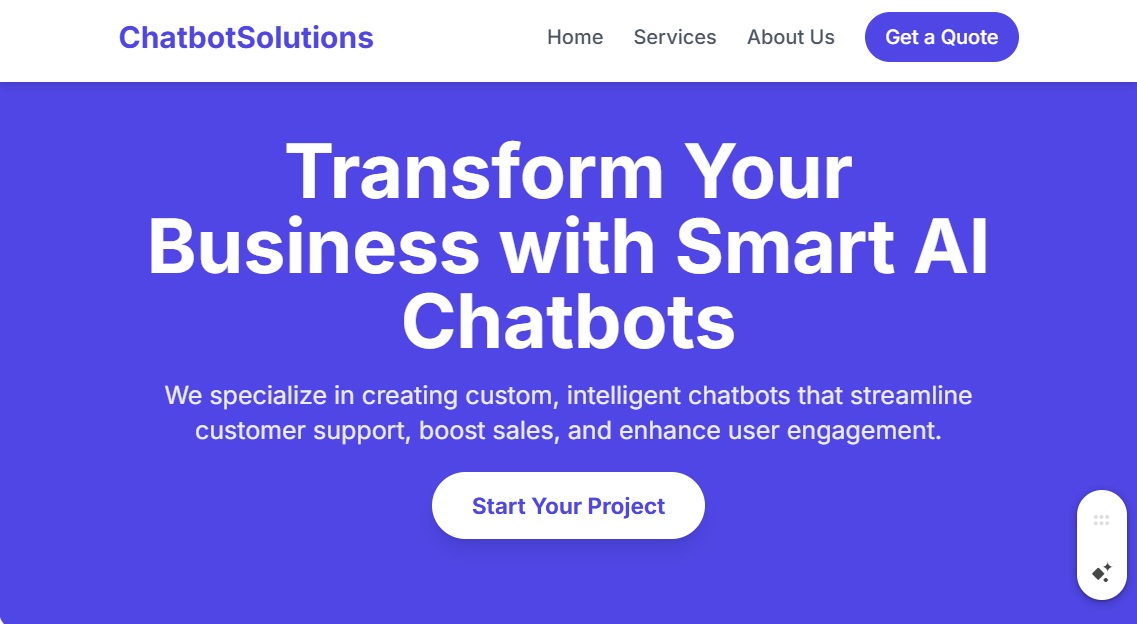
Developing AI chatbots in Kenya? We specialize in custom AI chatbot solutions for Kenyan businesses, enhancing customer service, automating tasks, and driving growth.
The digital landscape in Kenya is rapidly evolving, with businesses seeking innovative ways to connect with customers, streamline operations, and gain a competitive edge. Among the most transformative technologies emerging is the Artificial Intelligence (AI) chatbot. Far from being a futuristic concept, AI chatbot development in Kenya is a practical and powerful tool that is reshaping how companies interact with their audience.
This comprehensive guide delves into the world of AI chatbot development in Kenya, exploring its significance, the development process, key benefits, and the future outlook.
The Rise of AI Chatbots in Kenya
Kenya’s tech-savvy population and high mobile penetration rate provide fertile ground for the adoption of AI chatbots. Consumers are increasingly comfortable with digital interactions and expect instant, 24/7 support. Traditional customer service channels, such as phone calls and emails, can be slow and resource-intensive. AI chatbots offer a scalable and efficient alternative, providing immediate responses to a wide range of queries.
For Kenyan businesses, from small startups to large corporations, AI chatbots represent an opportunity to:
Improve Customer Experience: By providing instant answers to frequently asked questions, chatbots reduce wait times and frustration, leading to higher customer satisfaction.
Enhance Efficiency: Chatbots can handle routine tasks, such as order tracking, appointment scheduling, and lead generation, freeing up human staff to focus on more complex issues that require empathy and critical thinking.
Generate Leads and Drive Sales: A well-designed chatbot can act as a virtual salesperson, guiding customers through the sales funnel, answering product questions, and even processing transactions directly within the chat interface.
The AI Chatbot Development Process in Kenya
Developing a successful AI chatbot is a multi-step process that requires a deep understanding of both technology and the specific business needs of the Kenyan market. Here’s a breakdown of the typical development lifecycle:
Discovery and Strategy: The first and most crucial step is to define the chatbot’s purpose. What problem is it solving? Who is the target audience? What channels will it operate on (e.g., website, WhatsApp, Facebook Messenger)? This phase involves a thorough analysis of the business’s goals, customer pain points, and the desired user journey. A clear strategy ensures the chatbot delivers real value.
Choosing the Right Technology Stack: The technology behind a chatbot is critical. Developers in Kenya have access to a range of tools and platforms, from open-source libraries like Rasa and Dialogflow to more robust enterprise-grade solutions. The choice depends on the complexity of the chatbot, the required level of customization, and the budget. Key components include:
Natural Language Processing (NLP): This is the core of any AI chatbot. NLP engines enable the chatbot to understand and interpret human language, regardless of grammar or slang. In the Kenyan context, this is particularly important for handling Sheng and other localized language variations.
Dialogue Management: This component dictates how the chatbot responds to user queries, ensuring conversations are coherent and goal-oriented.
Integration with Backend Systems: For a chatbot to be truly useful, it needs to connect with existing business systems, such as CRM, ERP, and payment gateways. This allows it to perform actions like fetching order status or processing a booking.
Design and Development: This phase involves building the chatbot’s conversational flow, which is essentially a blueprint of how the interaction will unfold. Developers create the intents (the user’s goal), entities (key information in a query), and responses. The user interface (UI) and user experience (UX) design are also crucial. A well-designed chatbot is intuitive, easy to use, and reflects the brand’s personality.
Training and Fine-Tuning: The “AI” in AI chatbot comes from its ability to learn. The chatbot is trained on a dataset of sample conversations, allowing it to improve its understanding over time. In Kenya, this training data should include local nuances, common queries, and the specific jargon used by customers. Continuous fine-tuning is necessary to handle new queries and improve accuracy.
Deployment and Maintenance: Once the chatbot is built and tested, it is deployed on the chosen platforms. The journey doesn’t end there. Ongoing maintenance and monitoring are essential. Developers track performance metrics, such as conversation success rate and user satisfaction, and use this data to make continuous improvements.
Key Benefits for Kenyan Businesses
AI chatbot development offers a multitude of benefits tailored to the Kenyan market:
24/7 Availability: A chatbot never sleeps. This is a game-changer for businesses targeting a diverse customer base with varying schedules. It ensures that customers in different time zones or those with late-night queries always receive a prompt response.
Cost Reduction: Automating customer service and other routine tasks significantly reduces operational costs. Businesses can reallocate resources from a large customer support team to other strategic areas.
Personalization at Scale: AI chatbots can be trained to recognize individual customers and provide personalized recommendations or offers. This level of personalized service, which was once reserved for high-end clients, is now accessible to all.
Data-Driven Insights: Every interaction with a chatbot generates valuable data. Businesses can analyze these conversations to identify common customer pain points, understand product preferences, and gather feedback, which can inform future business decisions.
Scalability: A chatbot can handle thousands of conversations simultaneously, a feat that is impossible for a human team. This scalability is particularly important for businesses experiencing rapid growth.
The Future of AI Chatbots in Kenya
The future of AI chatbot development in Kenya is incredibly promising. We can expect to see:
Increased Integration with Voice Assistants: As voice technology becomes more prevalent, chatbots will be integrated with platforms like Google Assistant and Alexa, allowing for more natural, conversational interactions.
Hyper-Personalization: The use of machine learning will enable chatbots to offer even more personalized experiences, anticipating customer needs and providing proactive support.
Multi-Channel Dominance: Chatbots will become a seamless part of the customer journey, operating across websites, social media, messaging apps, and even physical kiosks.
Industry-Specific Solutions: We will see the rise of specialized chatbots for sectors like finance, healthcare, e-commerce, and agriculture, each tailored to the unique needs of that industry.
In conclusion, AI chatbot development in Kenya is no longer a luxury but a strategic necessity for businesses looking to thrive in the digital age. By leveraging this technology, companies can build stronger relationships with their customers, optimize their operations, and unlock new avenues for growth. The journey of developing an AI chatbot is a collaborative one, requiring a clear vision, the right technology, and a commitment to continuous improvement. As the Kenyan digital ecosystem matures, AI chatbots will undoubtedly play a central role in shaping the future of business.